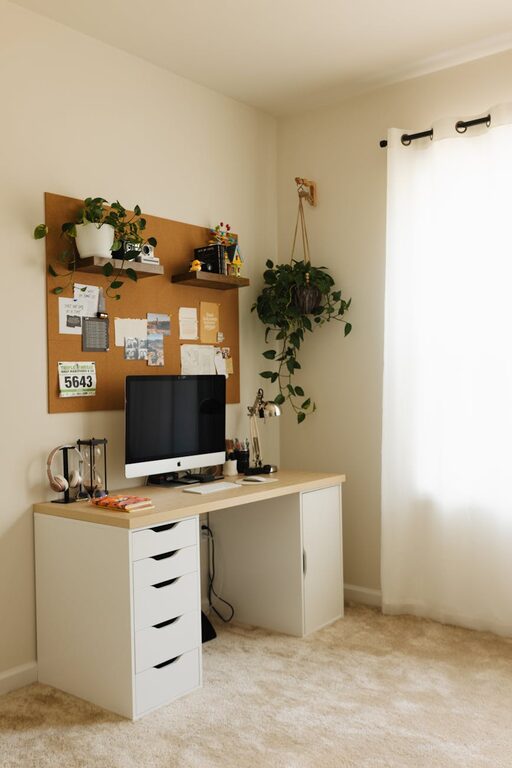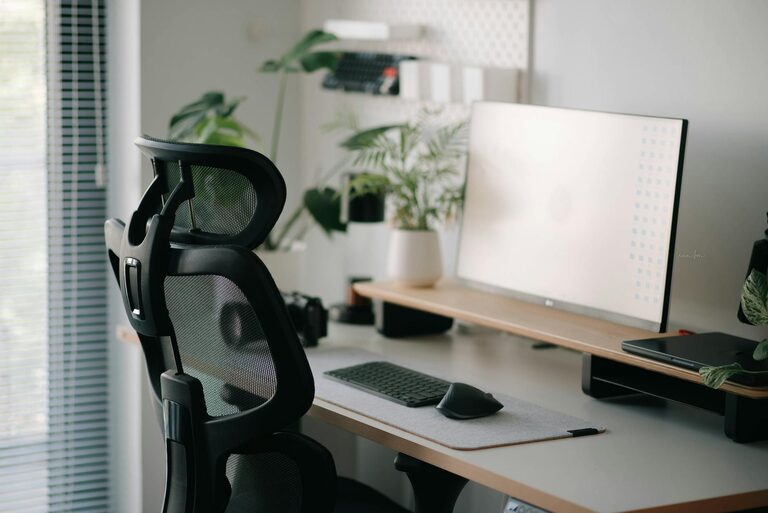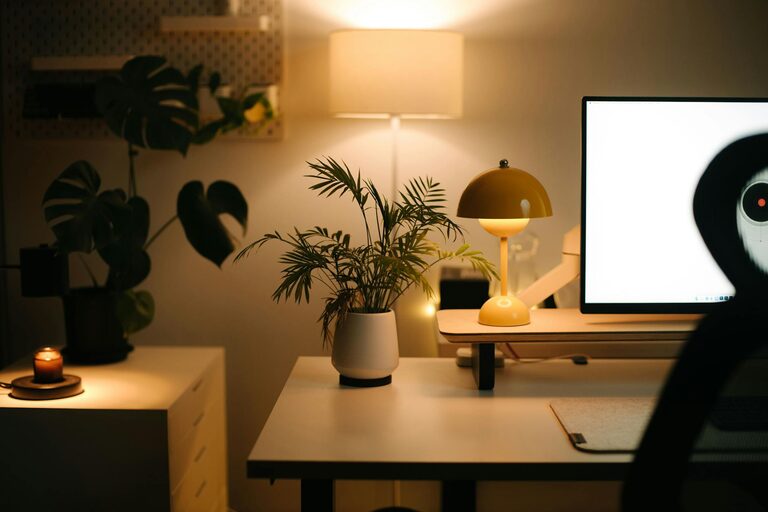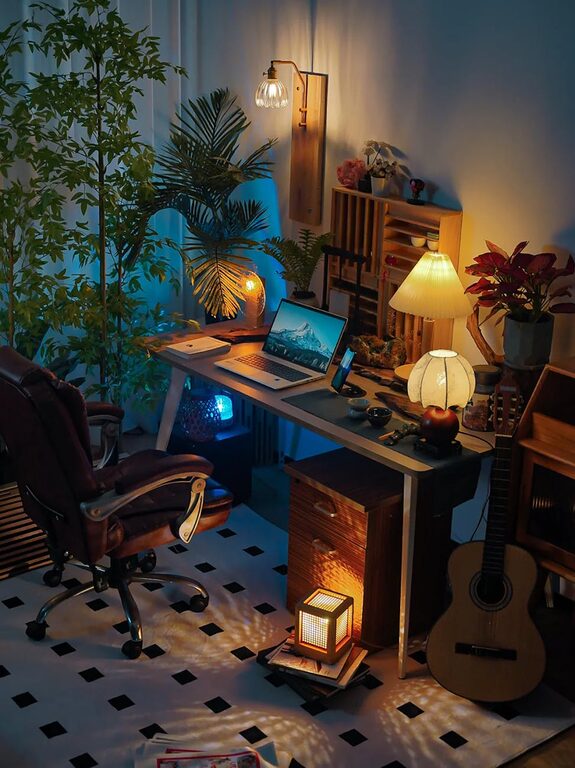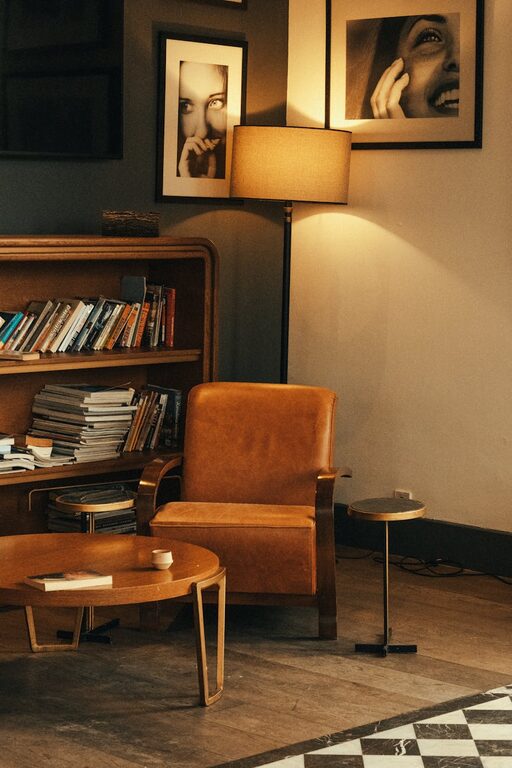
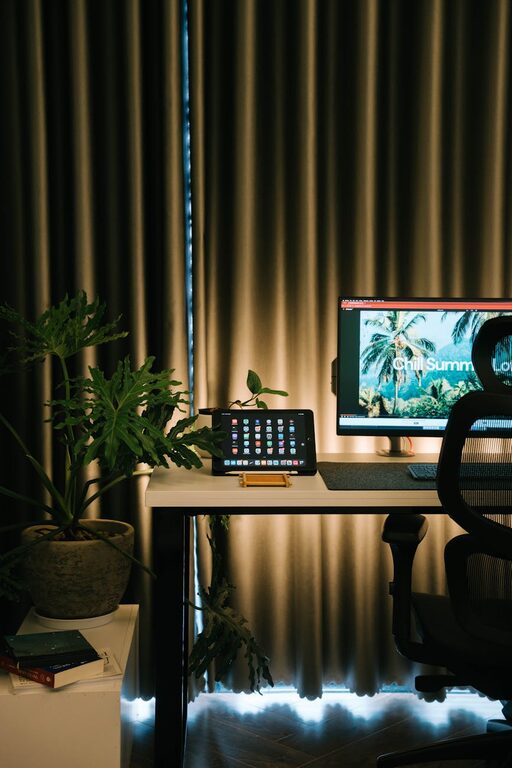
Creating a cozy and productive home office space is more important than ever. Whether you work from home full-time or need a dedicated spot for occasional tasks, designing an environment that helps you focus while feeling comfortable can improve your workdays significantly. Here are practical tips to help you build a workspace that balances comfort with efficiency.
Choose the Right Location
Consider natural light
Placing your home office near a window can boost your mood and energy levels throughout the day. Natural light helps reduce eye strain and creates a more pleasant atmosphere. If natural light is limited, use soft, warm lighting instead of harsh fluorescents.
Minimize distractions
Find a quiet corner or room where interruptions are minimal. This might mean closing a door or using noise-canceling headphones if you live with others or in a noisy area.
Invest in Ergonomic Furniture
Comfortable chair
A supportive chair is crucial to avoid back pain and stay comfortable during long work sessions. Look for adjustable chairs that provide good lumbar support.
Functional desk
Choose a desk size that fits your needs and available space. Standing desks or adjustable desks can offer flexibility and encourage movement throughout the day.
Personalize Your Space
Add cozy elements
Include items like a soft throw blanket, cushions, or a small rug to make your workspace feel welcoming. These touches can reduce stress and help you settle in comfortably.
Include plants
Indoor plants improve air quality and add a touch of nature to your office. They also have calming effects which can increase focus.
Organize for Efficiency
Declutter regularly
Keep your desk clean and organized to reduce distractions. Use trays, pen holders, and drawer organizers to keep essentials accessible but neat.
Use storage solutions
Shelves, filing cabinets, or baskets can help manage paperwork and supplies, keeping your workspace tidy and efficient.
Optimize Technology and Tools
Reliable internet and equipment
Ensure your internet connection, computer, and peripherals like printers or headsets are up to the task. Reliable tech prevents frustration and interruptions.
Cable management
Use clips, sleeves, or boxes to keep cables organized and out of sight, creating a cleaner workspace.
Design with Focus in Mind
Color choices
Soft, neutral colors help create a calm atmosphere. Consider accent walls or accessories in gentle tones like blues or greens, which are known to enhance concentration.
Minimize visual clutter
Keep decorations minimal and meaningful. A few personal items or art pieces can inspire you but too many can distract your attention.
Create Healthy Habits
Take breaks
Incorporate short breaks into your day to stretch, move, and relax your eyes. This helps prevent burnout and keeps productivity high.
Set boundaries
Set working hours and communicate them with family or housemates, so you can maintain focus without interruptions and separate work life from personal time.
Maintain Good Air Quality and Temperature
Ventilation
Fresh air improves concentration and health. If possible, open a window regularly or use an air purifier.
Comfortable temperature
Ensure your workspace stays warm in winter and cool in summer. A small fan, heater, or humidifier can make a big difference in your comfort.
—
Designing a home office that blends coziness and productivity doesn’t require a large budget or professional help. By focusing on comfort, organization, and a pleasant atmosphere, you create a space where work becomes more enjoyable and efficient. Experiment with these tips and adjust your setup until it perfectly suits your needs. Happy working!
About the Author