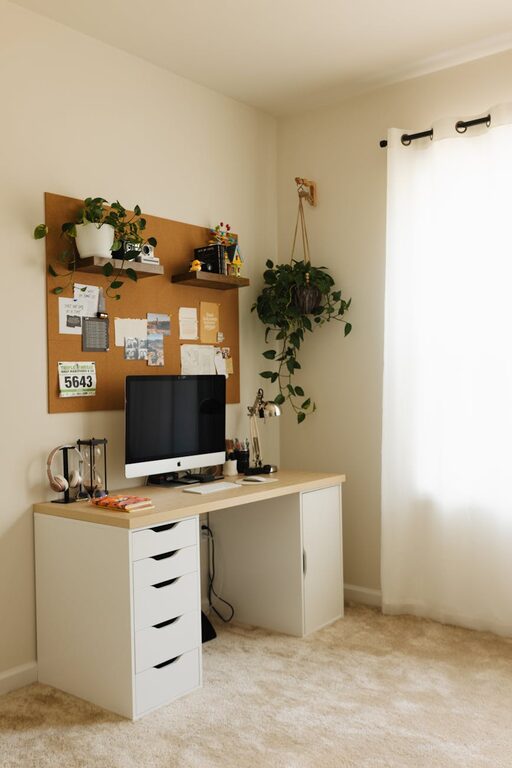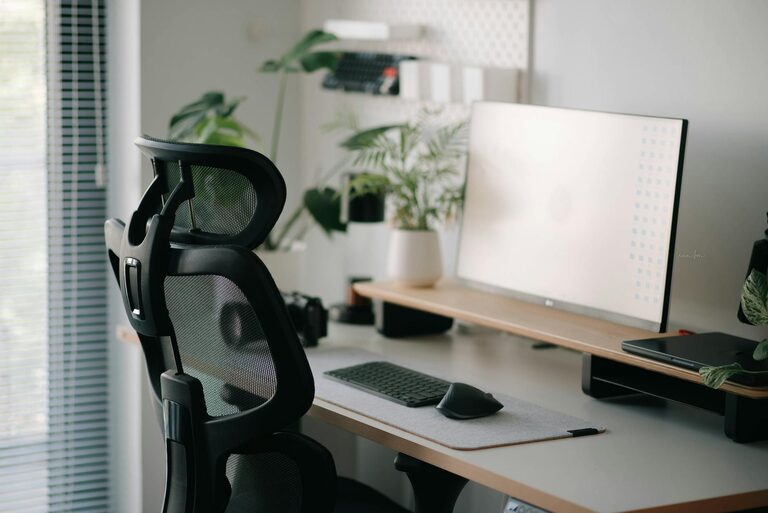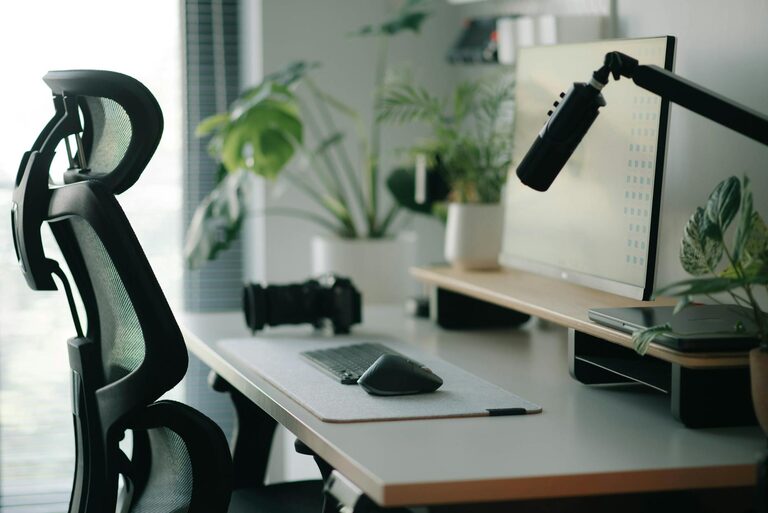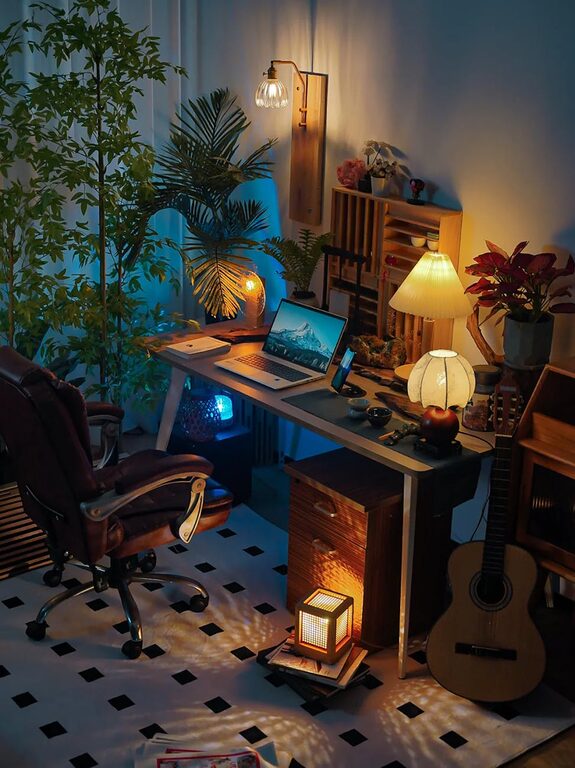
Creating a home office that feels both cozy and productive can significantly improve your work-from-home experience. Whether you’re setting up a new space or refining an existing one, the right environment helps you stay focused, motivated, and comfortable throughout the day. In this post, we’ll explore practical tips to design a home office that balances comfort with efficiency.
Why a Cozy and Productive Home Office Matters
Working from home offers flexibility but also comes with distractions. A well-designed workspace encourages better focus and sets clear boundaries between work and relaxation. When your office feels comfortable and inviting, you’re more likely to enjoy your work and maintain consistent productivity.
Choose the Right Location
Find a Quiet Spot
Ideally, select a space that is away from heavy foot traffic and noise. A quiet corner of a room, a spare bedroom, or even a converted closet can work well.
Consider Natural Light
Sunlight boosts mood and energy. Position your desk near a window if possible. Avoid having your screen face a window directly to reduce glare.
Invest in Comfortable Furniture
Ergonomic Chair
A supportive chair protects your posture and reduces discomfort. Look for adjustable features such as seat height, lumbar support, and armrests.
Functional Desk
Choose a desk size that fits your work essentials without clutter. Adjustable desks or standing desk options are great for varying your posture.
Organize Your Workspace Efficiently
Declutter Regularly
Keep only what you need on your desk. A clean workspace minimizes distractions and promotes clearer thinking.
Use Storage Solutions
Shelves, drawers, and organizers help keep supplies tidy and accessible. Labeling storage can speed up finding items when you need them.
Personalize Your Space
Add Comfortable Textures
Incorporate cushions, a soft rug, or a cozy throw to soften the area. These touches can make your workspace feel less clinical.
Display Inspirational Items
Photos, artwork, or motivational quotes help keep your spirits up. Be selective to avoid visual overload.
Optimize Lighting
Combine Natural and Artificial Light
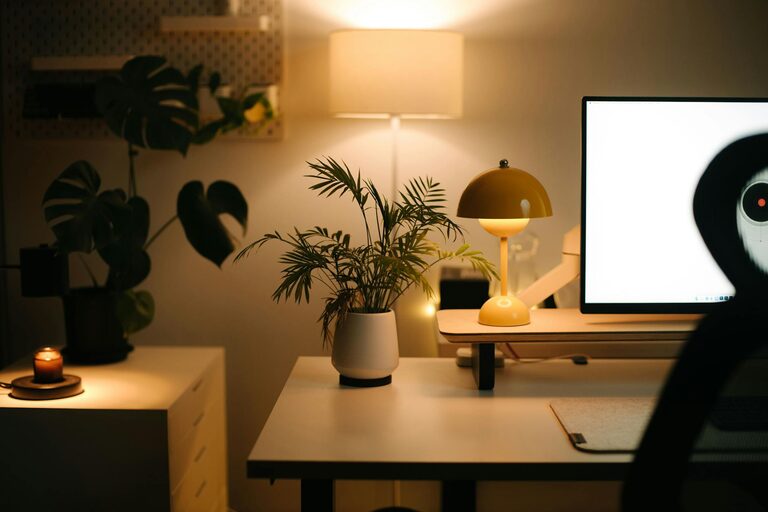
Use task lighting like desk lamps to reduce eye strain during late hours. Warm light bulbs create a relaxing atmosphere.
Adjust Screen Brightness
Match your screen settings to the ambient light to avoid strain and headaches.
Manage Noise and Distractions
Use Noise-Canceling Headphones
If ambient noise is unavoidable, headphones can help you stay focused.
Soft Background Music or White Noise
For some, gentle music or white noise can increase concentration.
Incorporate Greenery
Adding plants can improve air quality and create a calming environment. Choose low-maintenance plants like succulents or snake plants if you’re new to indoor gardening.
Maintain Daily Routines
Create cues to signal the start and end of your workday. This might involve opening blinds, changing into work attire, or tidying your desk before and after work hours.
Take Regular Breaks
Remember to step away from your workspace periodically to stretch, hydrate, and refresh your mind. Using a timer or the Pomodoro technique can help structure breaks.
—
By thoughtfully designing your home office space with these tips, you can create an environment that feels welcoming and supports your best work. A cozy, organized, and efficient workspace not only improves productivity but also helps maintain your well-being throughout the day.
About the Author