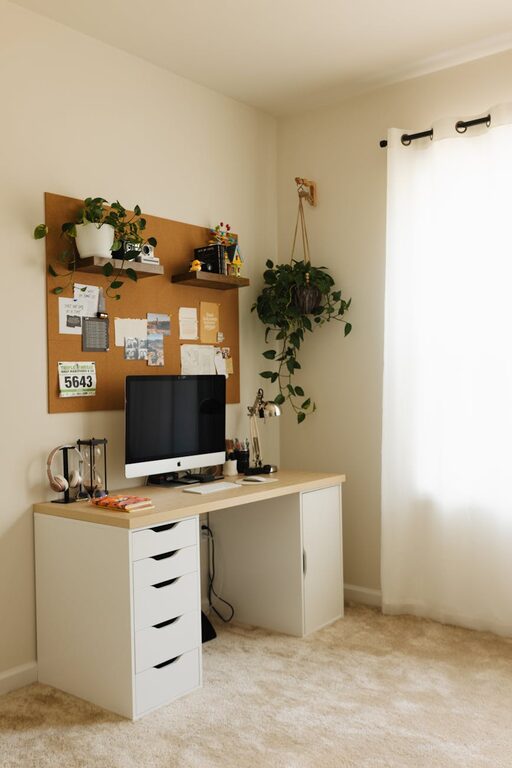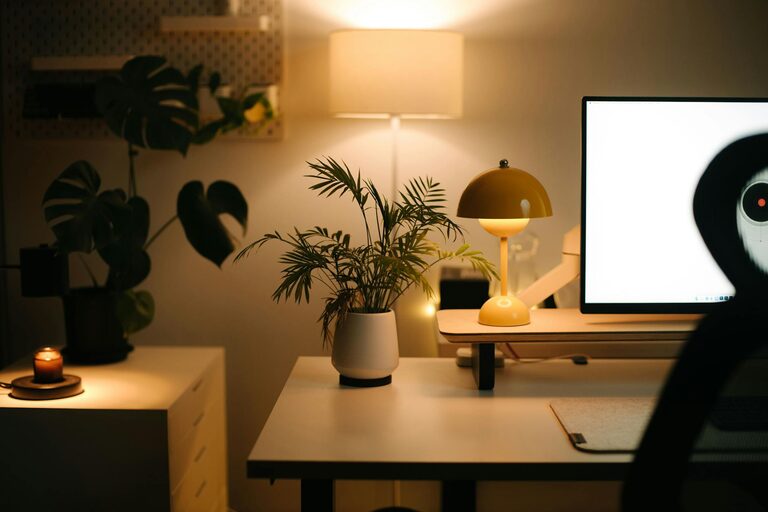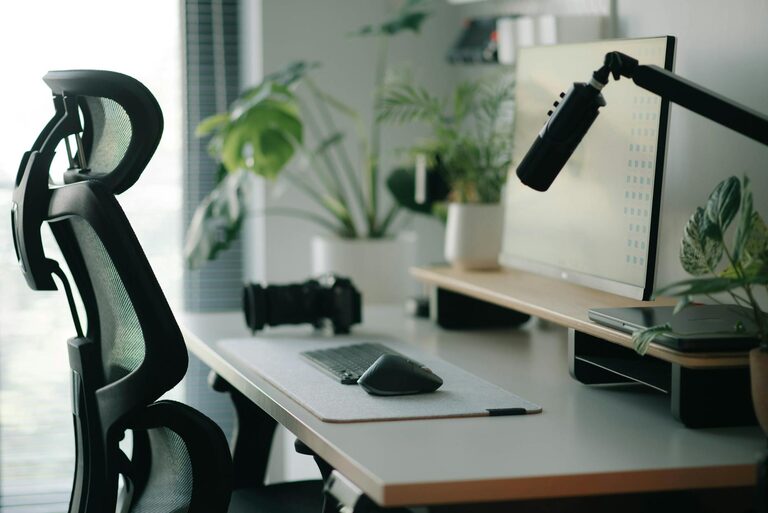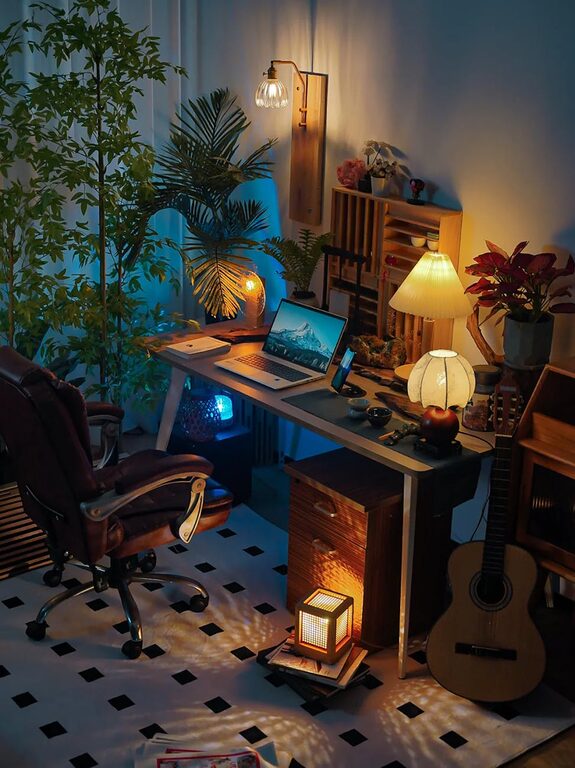
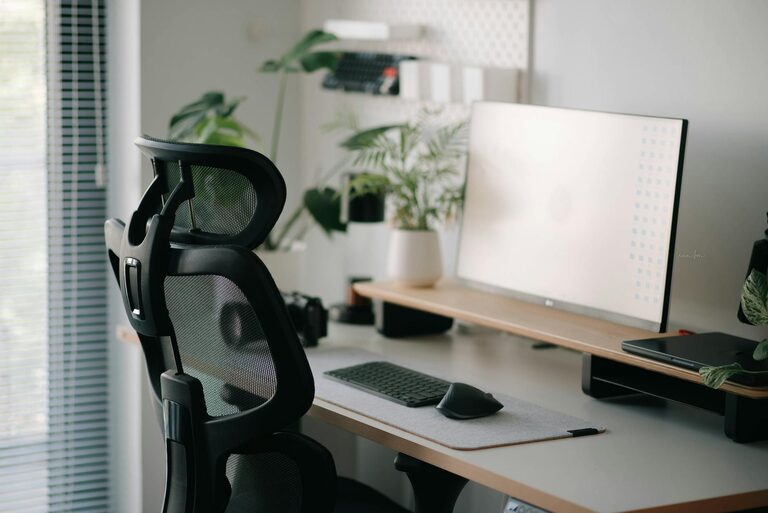
Working from home has become common for many people, making the home office an essential space. Creating an environment that fosters focus and comfort can greatly improve your productivity and overall work experience. Whether you’re setting up a space from scratch or optimizing an existing one, these tips will help you design a home office that works for you.
1. Choose the Right Location
Consider Natural Light and Noise Levels
Select a spot in your home that receives ample natural light, which helps reduce eye strain and boosts mood. Avoid noisy areas near busy streets, kitchens, or common living spaces to minimize distractions. If a private room isn’t an option, use noise-cancelling headphones or soundproofing materials to create a quieter workspace.
Ensure Enough Space
Pick a space that can comfortably fit your desk, chair, and any additional equipment. Avoid cramped corners where it’s difficult to move or organize your work materials.
2. Invest in Ergonomic Furniture
Comfortable Chair
A good ergonomic chair supports your lower back and encourages good posture. Adjustable height, seat depth, and lumbar support features help tailor the chair to your needs, preventing discomfort during long work hours.
Functional Desk
Choose a desk with enough surface area for your computer, keyboard, and other tools. If space allows, consider a standing desk or adjustable desk to switch between sitting and standing, which can improve circulation and reduce fatigue.
3. Optimize Lighting
Layer Your Lighting
Combine natural light with ambient ceiling lights and task lighting like desk lamps. Adjustable desk lamps help reduce eye strain by directing light exactly where you need it, especially in the evenings or on cloudy days.
Use Soothing Color Temperatures
Choose lighting that mimics natural daylight, usually around 5000K color temperature. Avoid overly harsh or dim lighting to maintain alertness and reduce headaches.
4. Minimize Clutter and Stay Organized
Declutter Regularly
A tidy space reduces distractions and helps focus. Keep only essential items on your desk and store away papers, chargers, and stationery in drawers or organizers.
Use Shelves and Storage Solutions
Vertical shelves, filing cabinets, and desk organizers keep your materials organized and accessible. Label storage containers for easy retrieval.
Manage Cables
Use cable clips, sleeves, or under-desk trays to keep cords neat and prevent tangling. This small step makes your workspace look cleaner and safer.
5. Personalize Your Space Thoughtfully
Add Inspiring Decor
Incorporate elements like plants, artwork, or motivational quotes to make the space inviting. Plants increase air quality and add a calming effect, while artwork can stimulate creativity.
Avoid Overcrowding
Choose a few meaningful items without cluttering your workspace. A clean, personalized area supports focus without becoming distracting.
6. Maintain Good Air Quality and Temperature
Air Circulation
Ensure your workspace is well-ventilated. Open windows when possible or use fans or air purifiers to keep air fresh.
Temperature Control
Keep the room at a comfortable temperature (generally between 68–72°F or 20–22°C). If your space tends to be too warm or too cold, consider a portable heater or fan.
7. Set Boundaries and a Routine
Define Work Hours
Create a schedule that signals when work begins and ends. This separation helps maintain focus during work time and relax afterward.
Use Physical or Visual Boundaries
Use room dividers or simply close the door to your office space to mentally shift into work mode.
Take Breaks
Schedule short breaks to stretch, hydrate, or relax your mind. This boosts overall productivity and prevents burnout.
8. Use Technology to Your Advantage
Reliable Equipment
Invest in a good-quality computer, monitor, keyboard, and mouse to improve efficiency and comfort.
Productivity Apps
Leverage apps for time management, task tracking, and minimizing distractions. Tools like timers or focus apps help maintain concentration.
Stable Internet Connection
A fast and reliable internet connection is essential for remote work and communication.
Final Thoughts
Creating a productive home office that balances focus and comfort takes some planning but pays off with improved work quality and wellbeing. Start with the basics—location, furniture, and lighting—and then personalize your space to suit your style and needs. Remember to keep your environment organized and maintain routines that support productivity. With these tips, your home office can become a place where work flows smoothly, and comfort is always within reach.
About the Author