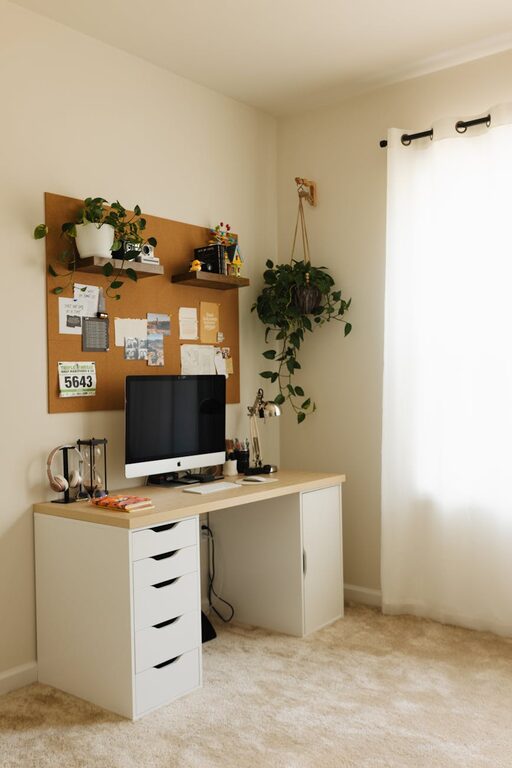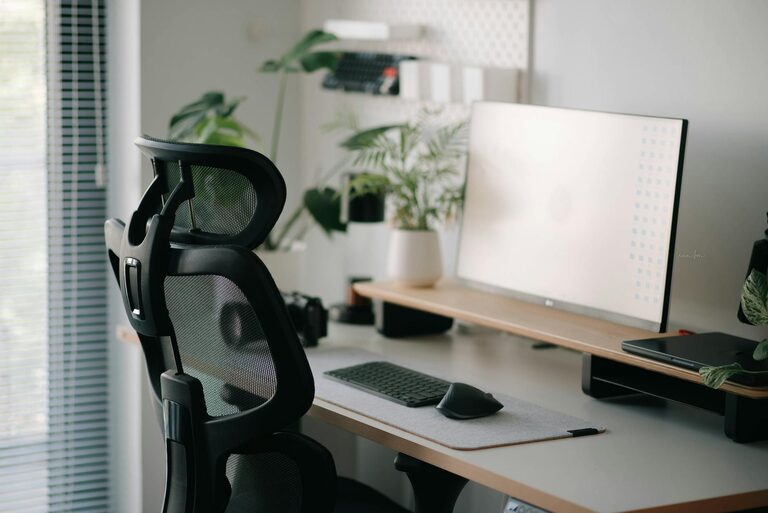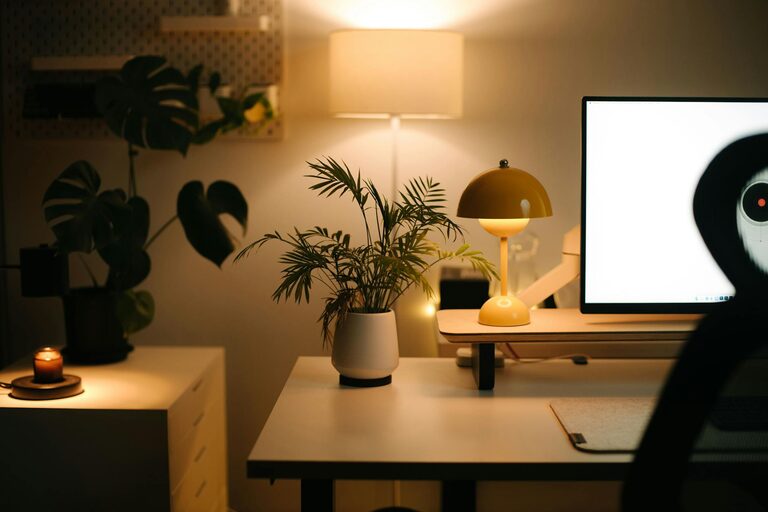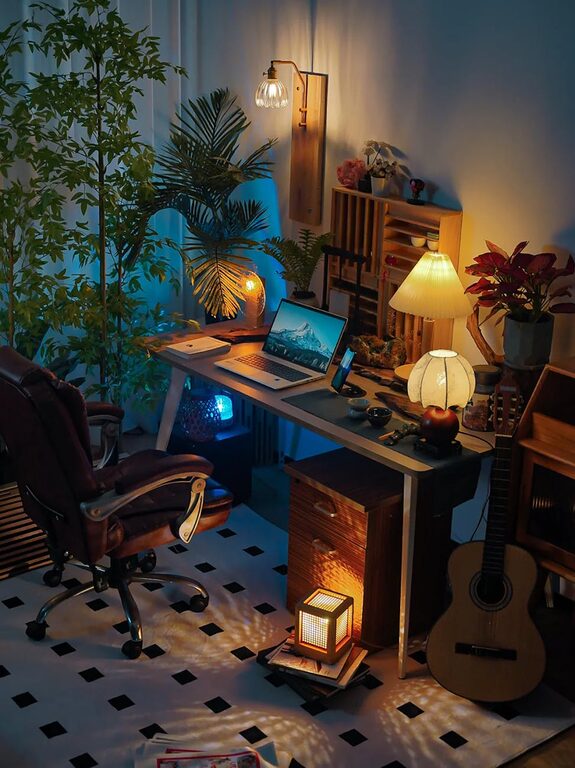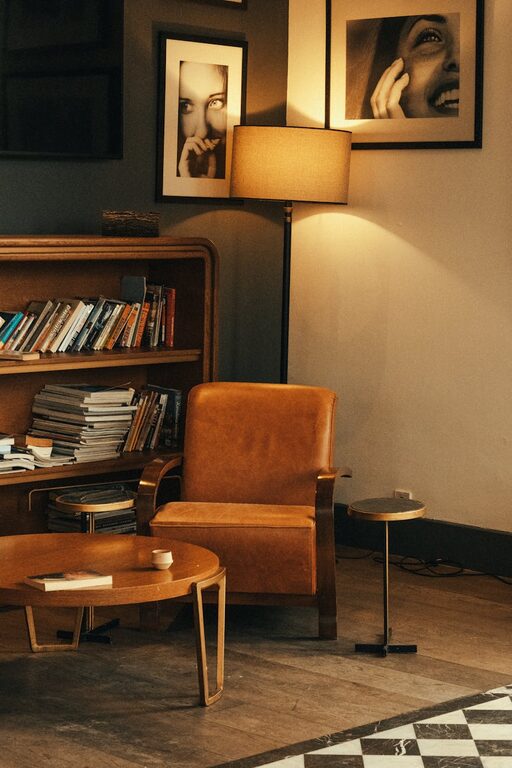
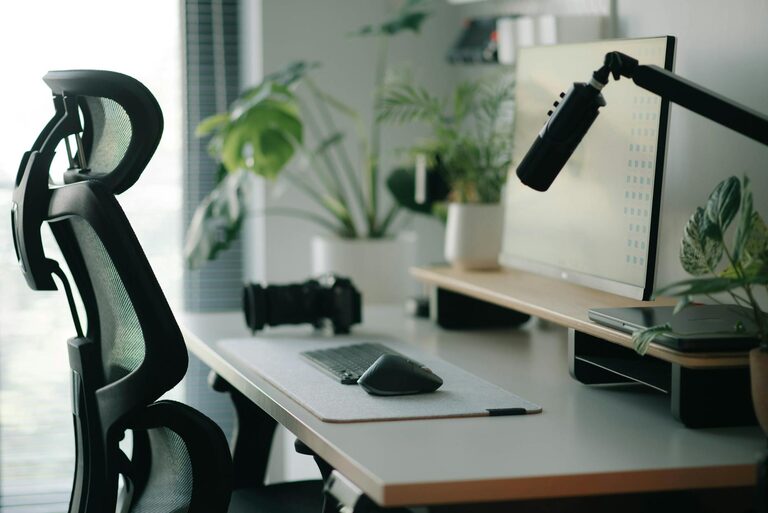
Creating a home office that is both comfortable and productive is essential for anyone working remotely or managing tasks from home. A well-designed workspace can improve focus, reduce stress, and help you maintain a healthy work routine. In this post, we’ll explore simple but effective tips to help you build a home office that supports your daily work needs.
Choose the Right Location
Selecting the right spot in your home for your office is the first step. Ideally, you want a quiet area with minimal distractions. Consider:
– Natural light: A space near a window can boost mood and energy.
– Privacy: Choose a room or corner where you can focus without interruptions.
– Space: Ensure there’s enough room for your desk, chair, and any equipment you need.
If space is limited, set up a designated area that clearly separates work from leisure, helping your mind switch into work mode.
Invest in Ergonomic Furniture
Comfort during long work hours is crucial. Ergonomic furniture supports your body and prevents aches and pains.
– Desk: Choose a desk with enough surface area for your computer, paperwork, and supplies.
– Chair: An adjustable chair with lumbar support encourages good posture.
– Monitor stand: Position your screen at eye level to reduce neck strain.
Consider standing desks or adjustable options if you want to alternate between sitting and standing throughout the day.
Optimize Lighting
Good lighting reduces eye strain and improves productivity.
– Natural light: Maximize daylight by positioning your desk near windows.
– Task lighting: Use adjustable desk lamps to focus light where you need it.
– Ambient lighting: Soft overhead lights create a comfortable atmosphere.
Avoid harsh glare on your screen by adjusting blinds or repositioning your monitor.
Organize Your Workspace
A clutter-free environment helps maintain focus and efficiency.
– Storage solutions: Use shelves, drawers, or filing cabinets to keep documents organized.
– Desk organizers: Trays, pen holders, and cable management tools keep essentials tidy.
– Minimal décor: Keep personal items meaningful but not overwhelming.
Set aside a few minutes each day to tidy up and prevent clutter build-up.
Personalize Your Space
Adding personal touches can make your home office feel inviting and motivate you throughout the day.
– Plants: Small indoor plants improve air quality and add a natural element.
– Artwork or photos: Choose images that inspire or calm you.
– Comfort items: A cozy rug, cushions, or a favorite mug can make the space enjoyable.
Keep personalization balanced so it doesn’t become distracting.
Establish a Routine and Boundaries
Creating a clear routine helps separate work from personal life, especially when working from home.
– Set working hours: Define your start and end times to maintain balance.
– Breaks: Schedule short breaks to stretch and rest your eyes.
– Limit distractions: Inform family members or housemates of your working hours.
Using noise-cancelling headphones or background music can also improve concentration.
Use Technology Wisely
Efficient technology enhances your workflow.
– Reliable internet: Ensure your connection is stable and fast.
– Essential tools: Use apps for time management, note-taking, and communication.
– Backup devices: Keep chargers, external drives, and a second monitor on hand if possible.
Regularly update your software to protect data and improve performance.
Maintain Good Air Quality and Temperature
A comfortable environment supports focus and well-being.
– Ventilation: Open windows regularly or use air purifiers.
– Temperature: Use fans or heaters to keep the room at a comfortable temperature.
– Humidity: A humidifier can prevent dry skin and respiratory discomfort in dry climates.
Pay attention to these details for a healthier workspace.
Final Thoughts
Designing a home office that is both comfortable and productive doesn’t have to be complicated. By choosing the right location, investing in ergonomic furniture, optimizing lighting, organizing your space, and maintaining good habits, you can create an environment that supports your best work. Remember, your home office is your personal workspace—tailor it to your needs and preferences to make working from home a positive and productive experience.
About the Author